Chlorantraniliprole 18.5% SC: What You Must Know
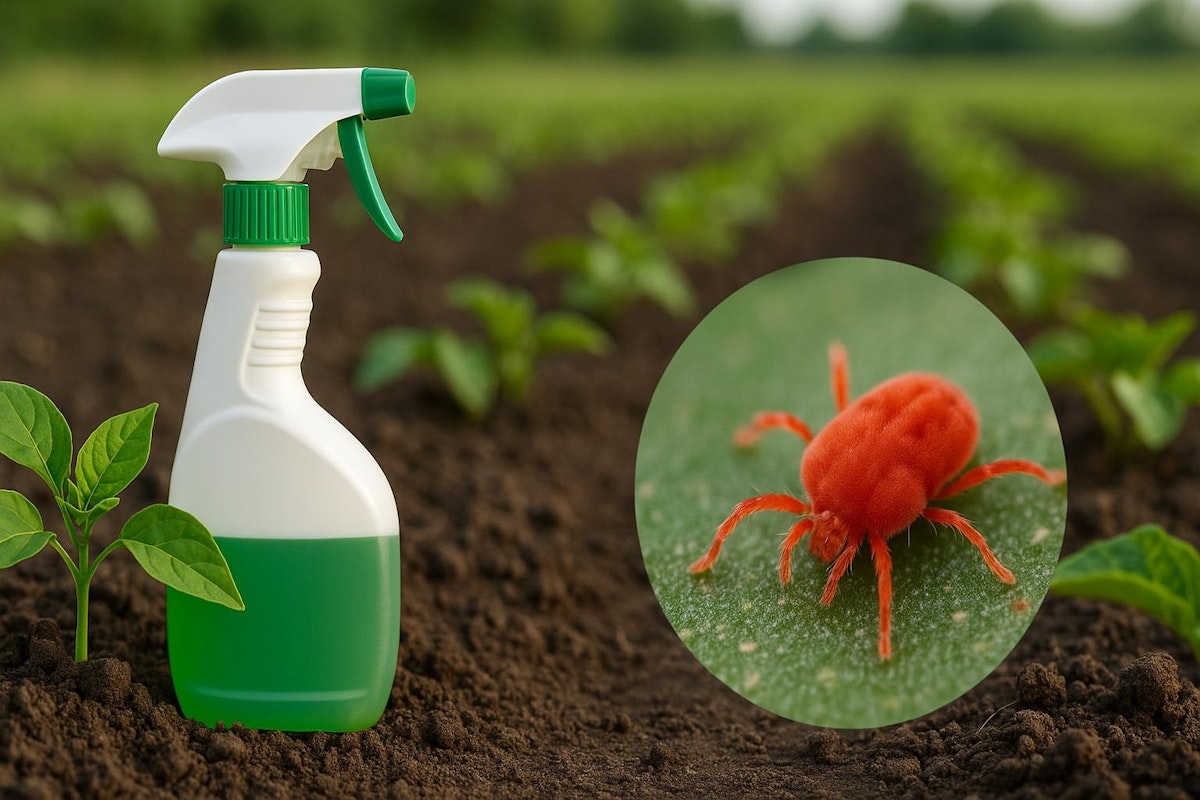
Chlorantraniliprole 18.5% SC has become one of the most relied-upon insecticides in modern agriculture due to its unique mode of action, long-lasting control, and favorable crop safety profile. It belongs to the anthranilic diamide class, a category known for targeting insect muscle functions rather than nervous systems. This feature not only controls a broad spectrum of pests but also ensures safety for non-target organisms. Farmers across various crops, including cereals, pulses, vegetables, and cash crops, continue to integrate it into their pest management programs.
Understanding how Chlorantraniliprole 18.5% SC works, what it controls, and how to apply it properly is essential for maximizing yield and minimizing pest-related damage.
What is Chlorantraniliprole 18.5% SC?
The active component in this suspension concentration (SC) formulation is chlorantraniliprole. It works by inducing an uncontrollable release of calcium through the activation of ryanodine receptors in insect muscle cells. This causes the pest to become paralysed, stop eating, and eventually die.
The 18.5% SC concentration offers:
High stability under varied climatic conditions.
Low application rates per hectare.
Deep translaminar and systemic movement.
Its formulation is designed for better plant coverage and longer residual control, typically lasting 10–21 days, depending on environmental factors and pest pressure.
Which pests does it effectively control?
Chlorantraniliprole 18.5% SC provides excellent control over a wide range of chewing pests, especially in the larval stage. Key targets include:
Spodoptera litura (leaf-eating caterpillar)
Helicoverpa armigera (American bollworm)
Plutella xylostella (diamondback moth)
Chilo partellus (stem borer)
Leucinodes orbonalis (brinjal shoot and fruit borer)
It is very effective against pests that are otherwise difficult to reach due to its quick action and ability to enter interior leaf tissues.
The main factor that makes Coragen insecticide a dependable option for many growers is its broad-spectrum effectiveness. Chlorantraniliprole 18.5% SC is present in the marketed formulation Coragen, which is renowned for its exceptional rainfastness within an hour of application, low phytotoxicity, and consistent field performance.
What crops benefit most from this insecticide?
Chlorantraniliprole 18.5% SC is registered for use in a variety of crops:
Crop | Primary Pests Targeted | Ideal Application Time |
Rice | Stem borer, leaf folder | Tillering to booting stage |
Maize | Fall armyworm, corn borer | V3 to V6 growth stage |
Cotton | Bollworm complex | Early flowering |
Tomato | Fruit borer, leaf miner | Early fruiting |
Brinjal | Shoot and fruit borer | Vegetative to flowering |
Cabbage | Diamondback moth, leaf webber | Early head formation |
Due to its systemic movement through xylem, the active ingredient travels from treated surfaces into the growing parts of the plant. This allows for the protection of hidden feeding sites, such as inside stems and fruits.
Controls internal and external feeders.
Can be used in both open-field and greenhouse environments.
How does it support Integrated Pest Management (IPM)?
Chlorantraniliprole is highly compatible with IPM programs. It’s selectively toxic to insect larvae while sparing key beneficial insects.
Benefits in an IPM context:
No impact on common predators like lady beetles and lacewings.
Safe for parasitoids like Trichogramma species.
Minimal disruption to pollinators when sprayed outside of foraging periods.
Its use in early crop stages reduces the pest load, giving beneficial insects a better chance to manage residual pest populations. Studies have shown that farmers using IPM with chlorantraniliprole have seen yield improvements of 18–30% compared to conventional methods.
For practical IPM integration strategies, the University of California’s IPM Guidelines provide detailed, crop-specific pest control protocols that include Chlorantraniliprole among the recommended active ingredients.
What is its environmental and toxicological profile?
Chlorantraniliprole 18.5% SC is categorized as a reduced-risk pesticide by multiple regulatory bodies. Its environmental safety and low toxicity to mammals make it suitable for large-scale use.
Key properties:
LD50 in rats >5,000 mg/kg (low toxicity).
Non-carcinogenic and non-teratogenic.
Low vapor pressure, reducing drift potential.
Buffer zones must be respected since aquatic organisms are somewhat sensitive. Because of the product's strong binding to soil particles, groundwater contamination is reduced.
Food safety was ensured through field studies, which showed that residue levels at harvest were far lower than the Codex MRLs. Depending on the crop, the pre-harvest interval (PHI) usually lasts between three and seven days.
When and how should it be applied?
For optimal results, timing is critical. Application should target early larval stages before visible damage escalates.
Recommended practices:
Use 150–300 L of water per hectare depending on canopy density.
Ensure thorough coverage of both leaf surfaces.
Avoid application under strong sunlight or high winds.
Don't mix alkaline products in the tank. Consult the manufacturer's compatibility tables before combining with foliar feeds or fungicides.
Typically spaced 10–14 days apart, spray intervals should be determined by residual duration and pest pressure. It is highly advised to alternate with other MoA (Mode of Action) groups in high-infestation areas.
What about resistance management?
As with all insecticides, overuse of Chlorantraniliprole can lead to resistance. Several populations of Plutella xylostella and Spodoptera frugiperda have shown reduced sensitivity in high-use areas.
Resistance prevention strategies:
Rotate with non-Group 28 insecticides like spinosyns or neonicotinoids.
Use threshold-based spraying, not calendar-based.
Avoid back-to-back applications in the same crop cycle.
The IRAC Mode of Action Classification designates Chlorantraniliprole as Group 28. Understanding MoA groups is key to creating effective, resistance-aware rotation schedules.
"Responsible farming means understanding not just what you spray, but when and why you spray."
How does it compare with other insecticides?
Chlorantraniliprole 18.5% SC offers a unique combination of systemic activity, long residual life, and high specificity. When compared to other commonly used groups, the differences become clear:
Insecticide Group | Mode of Action | Residual Life | Target Stage | Risk to Beneficials |
Pyrethroids | Nerve sodium channel | 2–5 days | Adult + larvae | High |
Neonicotinoids | Nerve nicotinic receptor | 7–10 days | Adults | Moderate |
Organophosphates | Acetylcholinesterase inhibitor | 5–7 days | Adult + larvae | High |
Chlorantraniliprole | Muscle ryanodine receptor | 10–21 days | Larvae | Low |
Its larval-targeted mechanism reduces secondary pest outbreaks that often occur when predators are eliminated by broad-spectrum insecticides.
What are farmers saying about field results?
Farm-level trials and testimonials highlight several consistent results:
Fast pest knockdown, often visible in 12 hours.
Lower pest resurgence compared to contact-only insecticides.
Increased harvest quality and reduced fruit or grain damage.
In a Punjab maize trial, fall armyworm damage was reduced by 89% within five days. In Karnataka tomato farms, fruit borer infestation fell below 4% after two applications spaced ten days apart.
With rising labor and input costs, growers increasingly value this kind of reliability and predictability in crop protection products.
FAQs about Chlorantraniliprole 18.5% SC
Is this product safe for pollinators?
Yes, when applied during early morning or late evening hours. Avoid spraying during active bee foraging.Can it be used in organic farming?
No. While it's low-risk, it is still a synthetic chemical and not approved for organic certification.What is the re-entry period after application?
Typically 24 hours. Workers should avoid entering treated fields without PPE before that time.Does it control sucking pests like aphids or whiteflies?
No. It is specifically designed for chewing pests in larval stages. Use appropriate insecticides for sap-sucking insects.How should it be stored?
Store in a cool, dry, well-ventilated place away from food, water, and animal feed.
What’s ahead for chlorantraniliprole-based solutions?
Research is exploring nano-formulations and seed-treatment versions for Chlorantraniliprole. Innovations are also targeting precision agriculture tools like drone delivery and AI-based pest scouting for more accurate and timely application.
This shift toward smarter crop protection aligns with the global push for sustainable intensification—growing more using fewer inputs and less environmental impact.
Chlorantraniliprole 18.5% SC remains a crucial tool in this evolution. Used responsibly, it delivers real protection against yield loss while supporting long-term soil and biodiversity health.